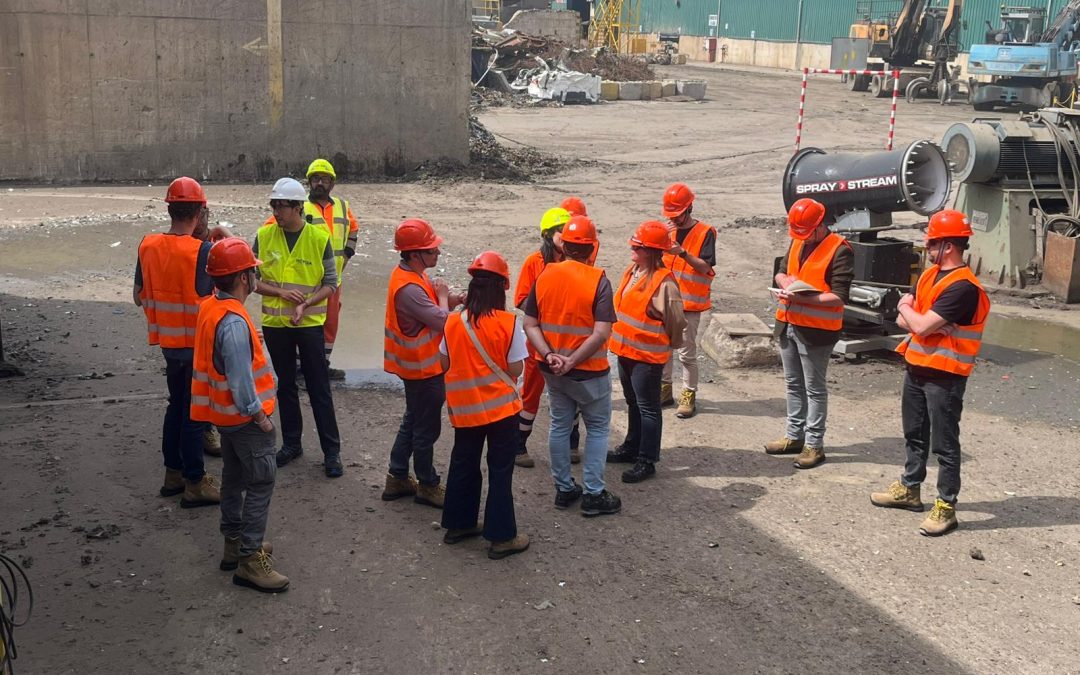
On May 18–19, the iBot4CRMs project partners gathered in Valencia for a key consortium meeting that brought innovation face-to-face with real industrial complexity.
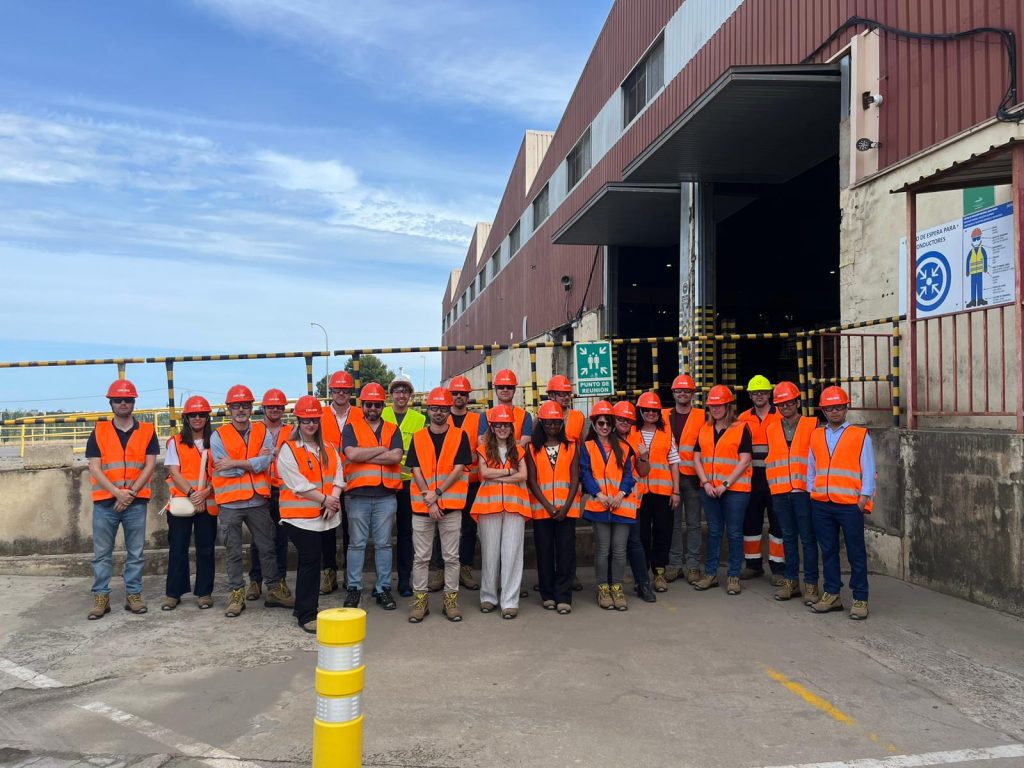
We had the privilege of learning first-hand from Ferimet, S.L. (CELSA GROUP) about the operational challenges behind large-scale scrap sorting — a use case that sits at the very heart of what this project is working to solve.
iBot4CRMs is a European initiative developing a computer vision and robotics pilot to improve the recovery of critical raw materials. The focus? Identifying and separating high-value materials — copper meatballs, copper wire, and PCBs — from heterogeneous scrap streams where manual sorting falls short.
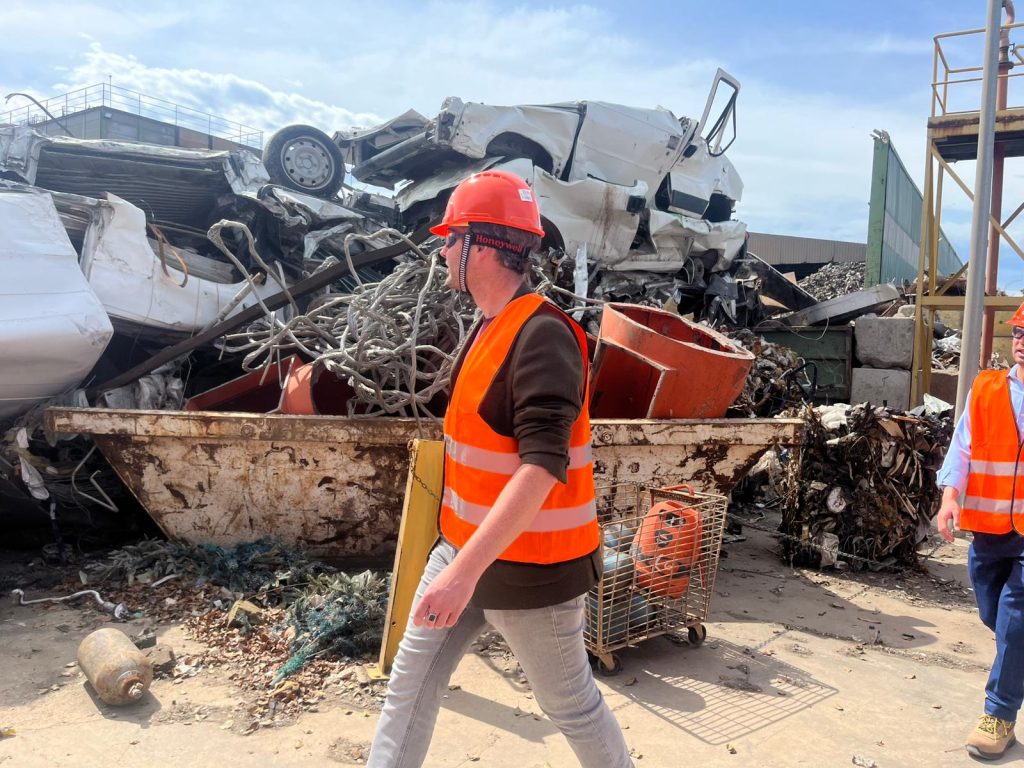
Valencia was more than a meeting point. It was a reminder of why this work matters: connecting cutting-edge technology with real industrial needs.
Regarding the pilot cases, our project decided on 5 key action items in the coming months:
- Prepare a first version of the testing plan to demonstrate and validate the iBot4CRMs system in TRL5, TRL6 and TRL7.
- Set-up pilots, coordinating logistics, considering specific needs to coordinate and accompany data collection in real settings to be used for research and development.
- Accompany the execution of the four pilot trials, including not only to demonstrate the potential of iBot4CRMs in terms of hardware and software application but also Human Robot Interaction (HRI) and other Social Science and Humanities (SSH) aspects.
- Analyse project results and collect feedback/experience from pilots.
- Assess the impact of AI, Data and Robotics in recovery of critical raw materials from different waste streams and assess other potential applications in the recycling and sorting sector.
iBot4CRMs pilot at Ferimet: Recovery of CRMs from a stream of metal scraps (ELV and WEEE)
In the third pilot case in our project, FERIMET will conduct the following actions to enhance recovery of CRMs from a stream of metal scraps (ELV and WEEE):
1️⃣ enhance the initial characterisation of the material and size range;
2️⃣ enhance post-sorting characterisation to analyse material purity;
3️⃣ use advanced perception for better waste identification;
4️⃣ simulation of a robot manipulation for targeted material picking;
5️⃣ build lifelong learning capabilities, advancing the system to TRL7.
To this end, the validation scenario intends to increase CRMs recovery by 40% from End-of-Life Vehicles and WEEE.
Watch Irene from Ferimet speak about the pilot:
Thanks to Irene García Martínez for organising the visit.
Our next stop is ADRA Forum in Porto, Portugal between October 13-16. Consortium partner INESC TEC will be hosting this year’s event.
Meanwhile, for more information on our pilot scenarios, click on the button below: