
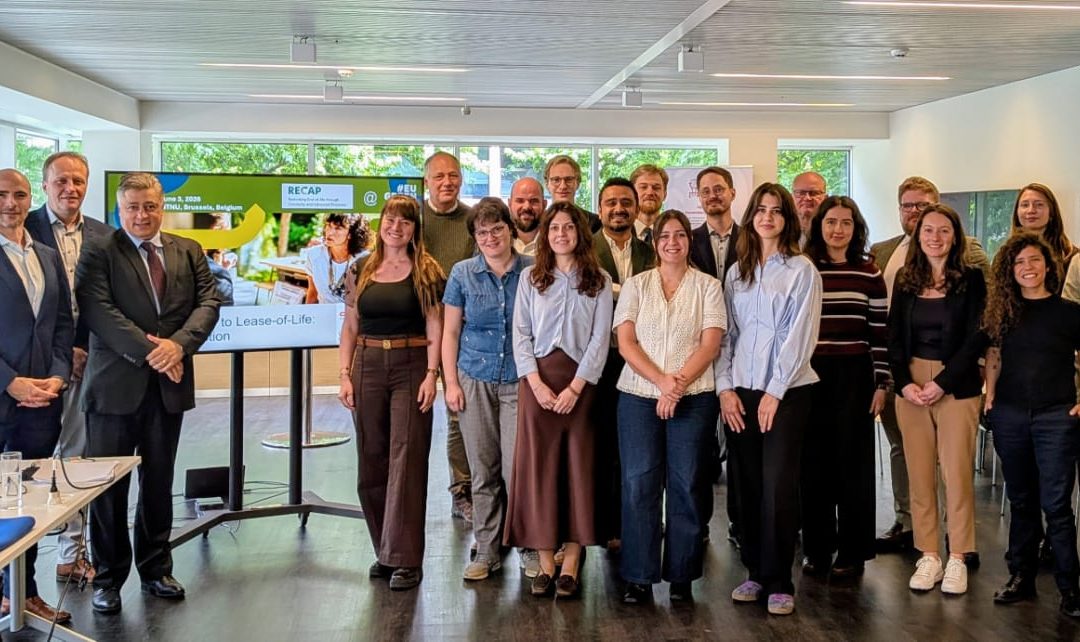
RECAP Cluster concluded the EU Green Week partner event with a key message: technology exists but it won’t alone foster circularity- Europe needs a real Single Market that makes recycled and upcycled materials a viable business choice.
Good news is that the forthcoming Circular Economy Act is expected to strengthen the Single Market in Europe. The conversations at European Circular Economy Stakeholder Platform annual conference in April echoed the same message.
To ensure that our project engages with relevant initiatives to advance our objective of recovering and recycling critical raw materials, iBot4CRMs joined the RECAP Cluster earlier this year in March. The RECAP Cluster is a grouping of 5 Horizon Europe projects, including CompSTLar, BIO4EEB, iBot4CRMs, ICARUS and Wood2Wood.
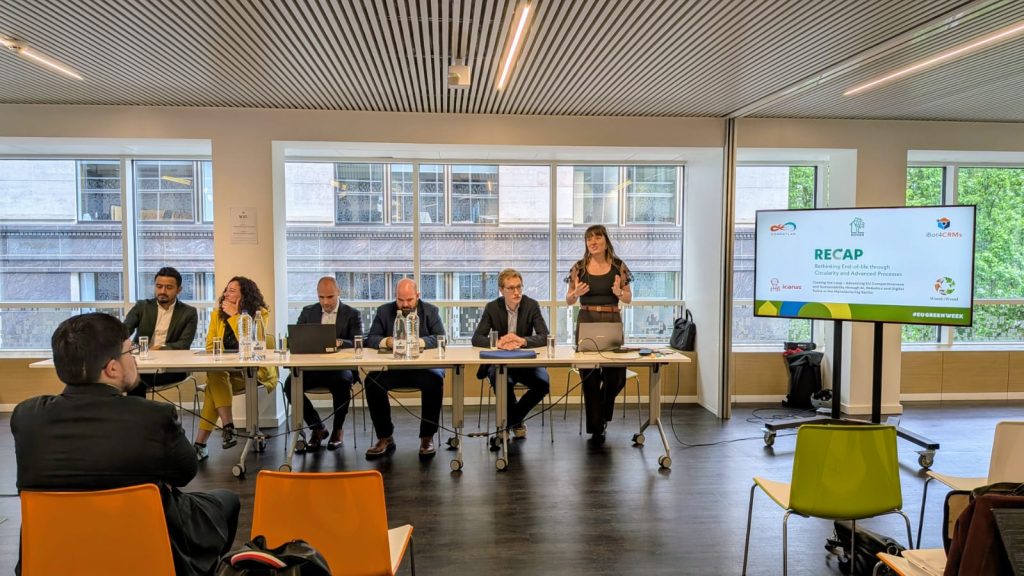
The main objective behind the RECAP cluster is to foster long-term collaboration and facilitate knowledge exchange on topics like AI, Digital Twins and Robotics that are already contributing to European data sovereignty and supporting competitiveness in the sustainable manufacturing sector.
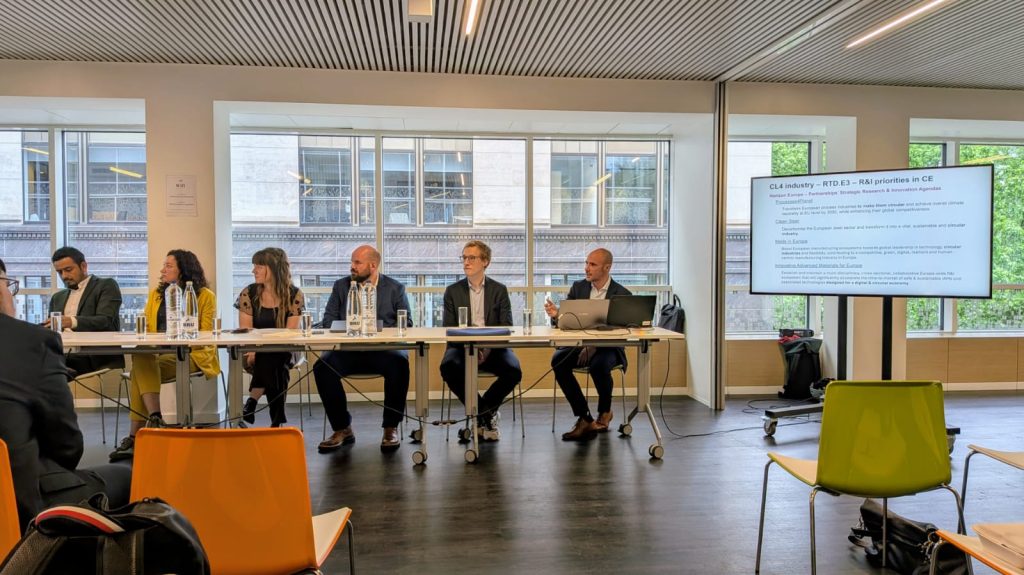
At the start, our keynote Antonio Ferrández García provided the policy context to ground the workshop session.
Here are several EU initiatives that target circularity:
➡️Critical Raw Materials Act (CRMA)
➡️Ecodesign Regulation
➡️Clean Industrial Deal
➡️Competitiveness Compass
➡️Forthcoming Circular Economy Act (Q4 2026)
➡️Advanced Materials Act (Q4 2026)
Within this frame, Antonio underlined the importance of Horizon Europe projects in accelerating the circular transition.
“It is very important to showcase R&I projects that are forward-looking and will provide concrete evidence for EU legislations. It is meaningful to have these conversations at the EU Green Week,” he emphasised.
Antonio Ferrandez Garcia, policy officer, DG RTD, European Commission
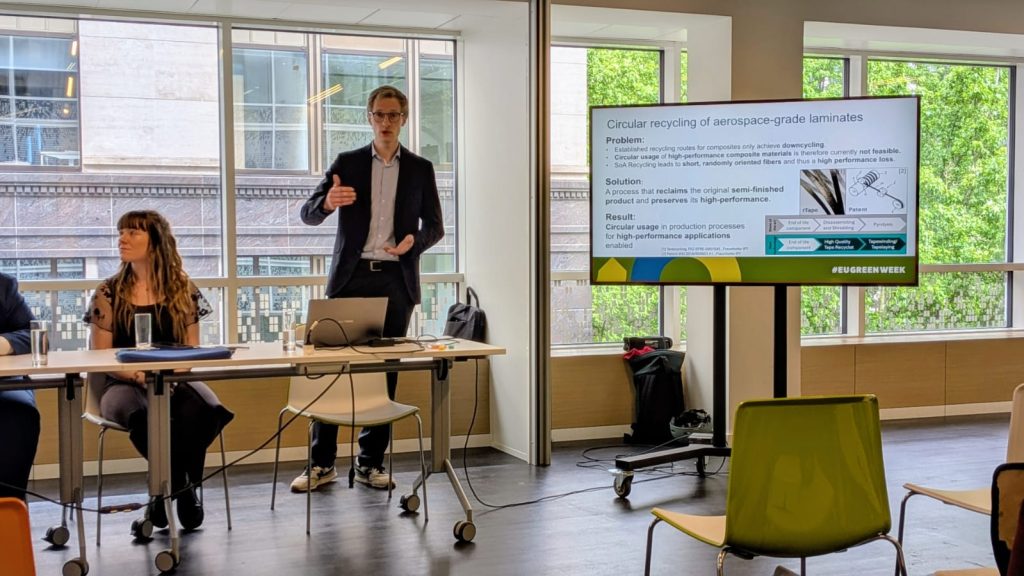
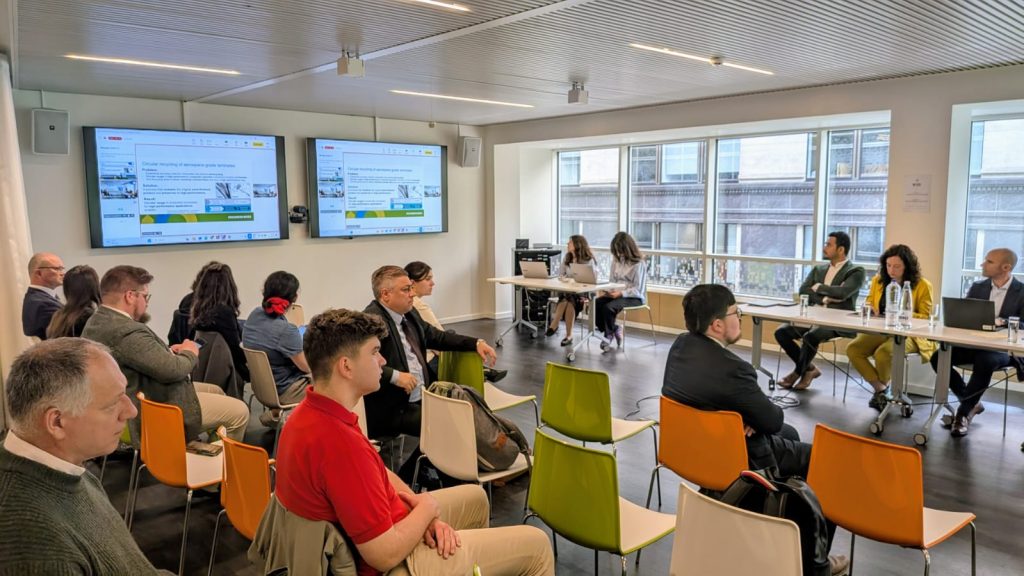
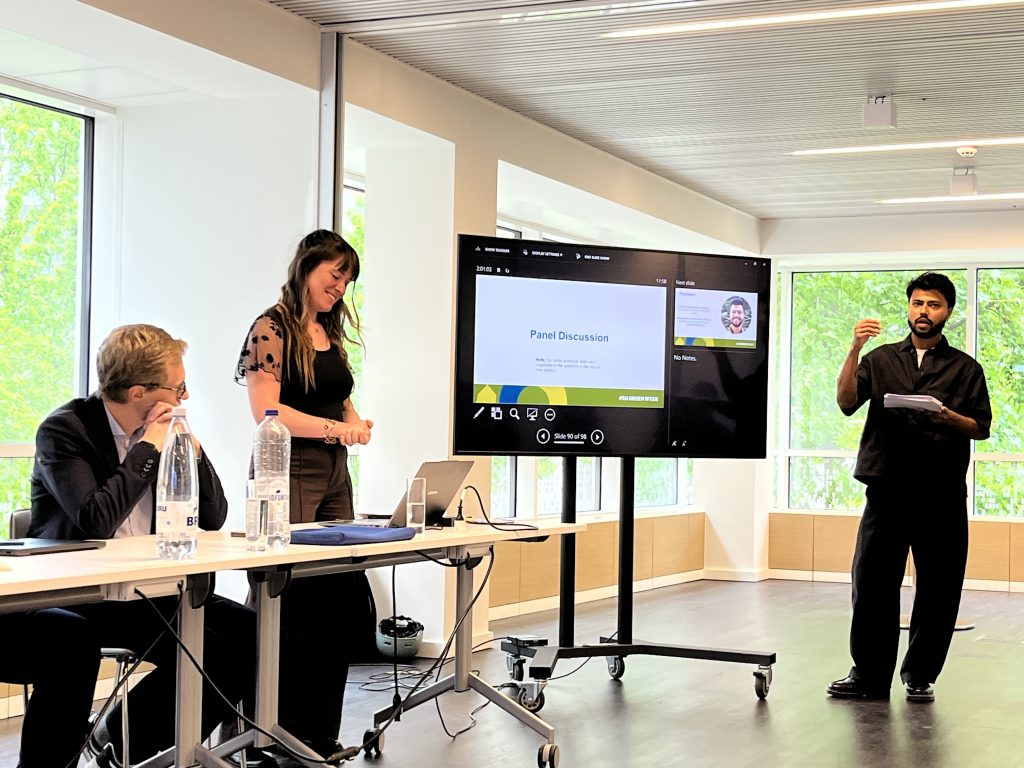
What followed was a knowledge sharing session on how AI, digital twins and robotics are being applied in EU-funded projects to enhance efficiency across Europe’s manufacturing industry, especially in energy-intensive sectors.
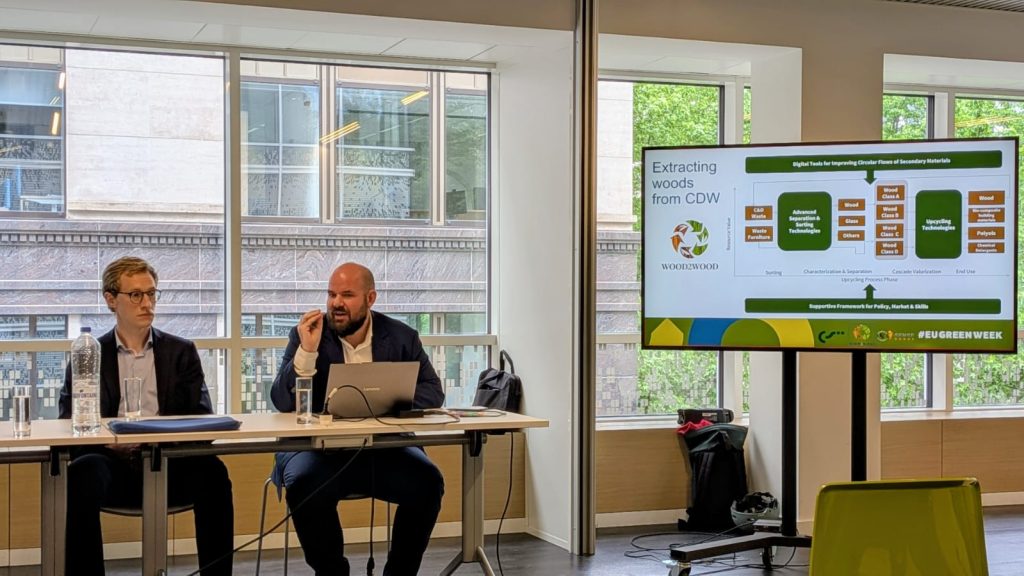
Pilot cases in RECAP cluster projects are being tested and improved each day to ensure the innovations can be pragmatically scaled from the lab to the market for industrial adoption.
But the journey towards circularity is anything but easy, as the project presentations made it clear.
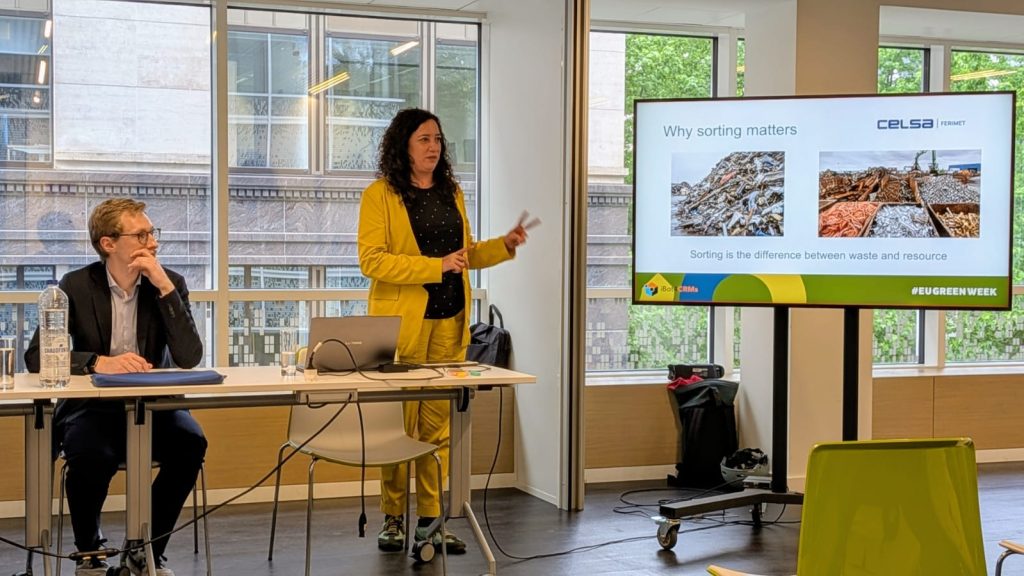
Here are some key messages from the session:
1️⃣ Scaling is a shared bottleneck – Technology has been demonstrated to work but the gap is market and industrial adoption, not innovation;
2️⃣ Trust and traceability of secondary raw materials – Markets won’t adopt secondary or recycled materials without verified quality, certification, and traceability systems;
3️⃣ Fragmented standards and a missing Single Market (for now) – Absence of harmonised European standards for secondary and recycled materials, combined with a fragmented regulatory landscape, prevents circular solutions from travelling across borders and sectors; a genuine European Single Market for secondary materials remains a critical gap;
4️⃣ System still designed for linearity – current industrial design norms, procurement frameworks, business models, and financial incentives are built for a linear economy.
Essentially, circular solutions are working against the grain of the existing linear system, making adoption harder even when the technology is ready.
Similar message echoed at ECESP conference in Brussels: Financial sector still favours linear model
This message was also echoed at the ECESP annual conference in Brussels in April. At the conference, Andrei Geica, Chief Policy and Impact Officer at Sporos Platform, the financing gap in circularity initiatives exists because financial sector still favours a linear model. He offered three insights from a private capital perspective that explain the gap.
Thanks to the RECAP Cluster, the European Commission, CIRCULess, and audience for engaging with us. Going forward the RECAP cluster hopes to engage