
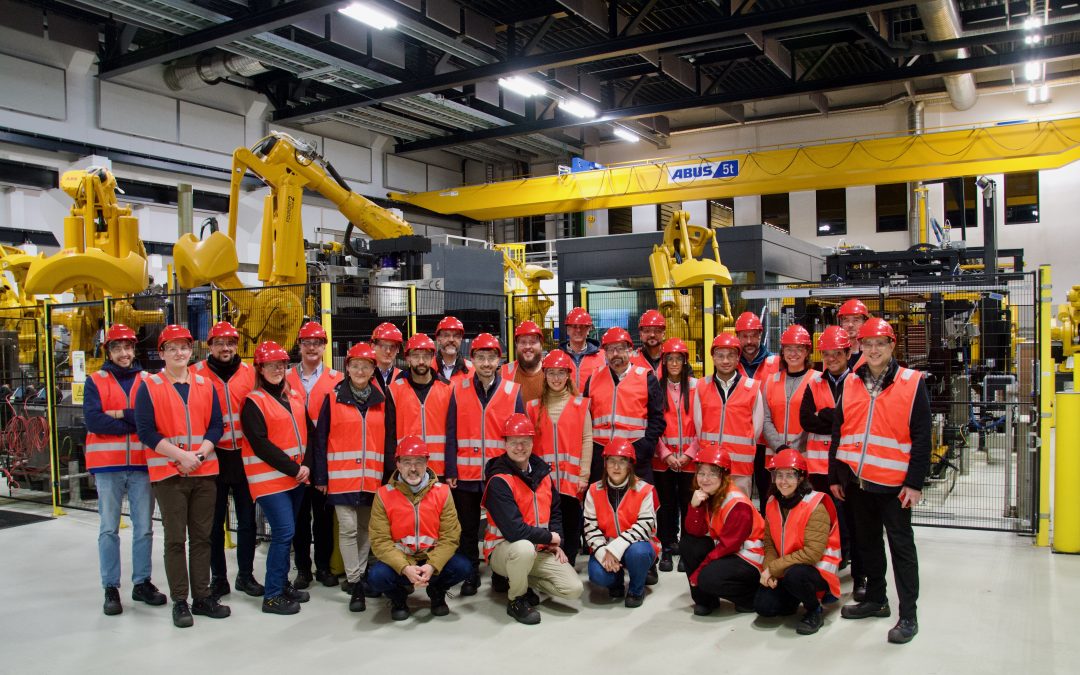
The iBot4CRMs consortium will meet for a General Assembly on May 18-19 in Valencia, Spain hosted by our consortium partner CELSA Group.
The meeting will review progress, align next steps and continue to advance AI-driven Robotic solutions for recovery and recycling of critical raw materials (CRMs) from urban waste to enhance European circular industrial resilience.
Our solutions are driven by AI and robotics to recover and recycle critical raw materials embedded in urban waste. Have you seen our project video describing our process?
Seven pilot scenarios will put recovery and recycling process into practice
The seven scenarios cover a wide range of CRM recovery operations, including the dismantling end-of-life electric vehicle motors (Scenario 1), improving recycling processes for flat-screen TVs and desktop computers (Scenarios 2–3), and integrating new technologies into the treatment of small household appliances (Scenario 4) and end-of-life vehicles (Scenario 5). They also address CRM recovery from municipal solid waste containing mis disposed electronics (Scenario 6) and from incinerated urban waste, where materials are more difficult to extract due to ash residues (Scenario 7).
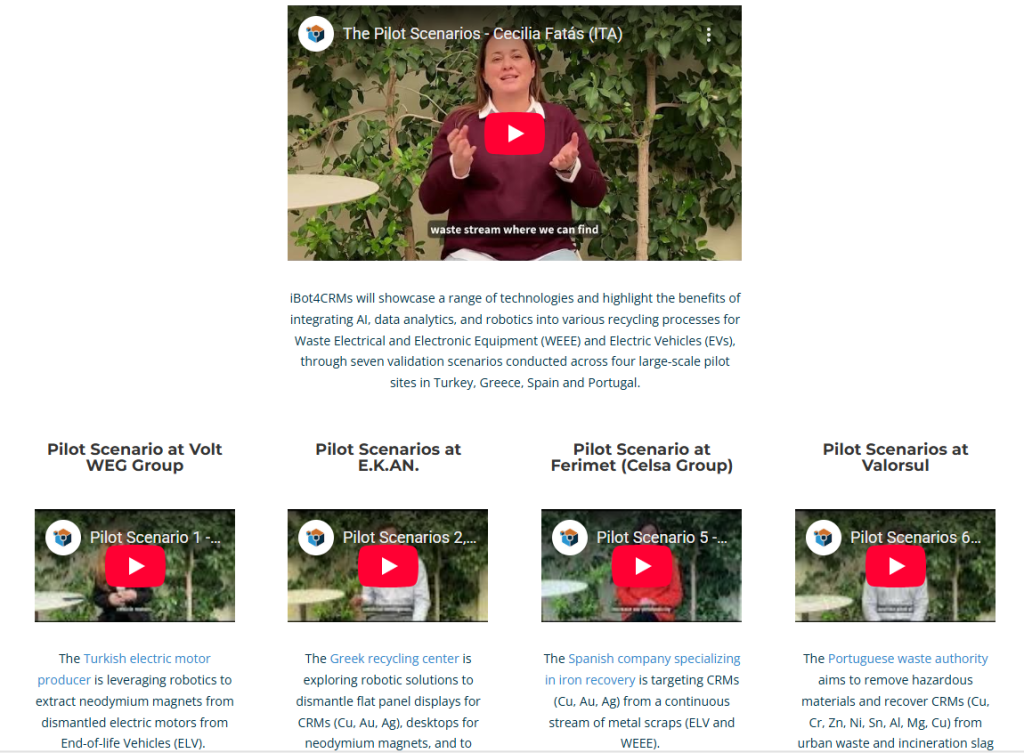
On the first day of the General Assembly, CELSA Group, led by Irene Garcia Martinez, will take us to their facilities to give us a deep dive into Scenario 5.
Circularity is security for Europe
The importance of recovering and recycling of Critical Raw Materials is strategically and geopolitically relevant for the European Union. Currently, China controls more than 90% of global rare earth processing and around 60% of global raw material production (Euronews). EU’s clean energy transition hinges on critical raw materials that are used in a variety of applications like batteries for electric vehicles, manufacturing wind turbines, solar panels and semiconductors to name a few. The challenge is while CRMs are mined across different countries, the processing and refining of these materials take place in China, leaving European supply chains vulnerable. The need of the hour is to diversify supply chains and boost domestic raw material capacity.
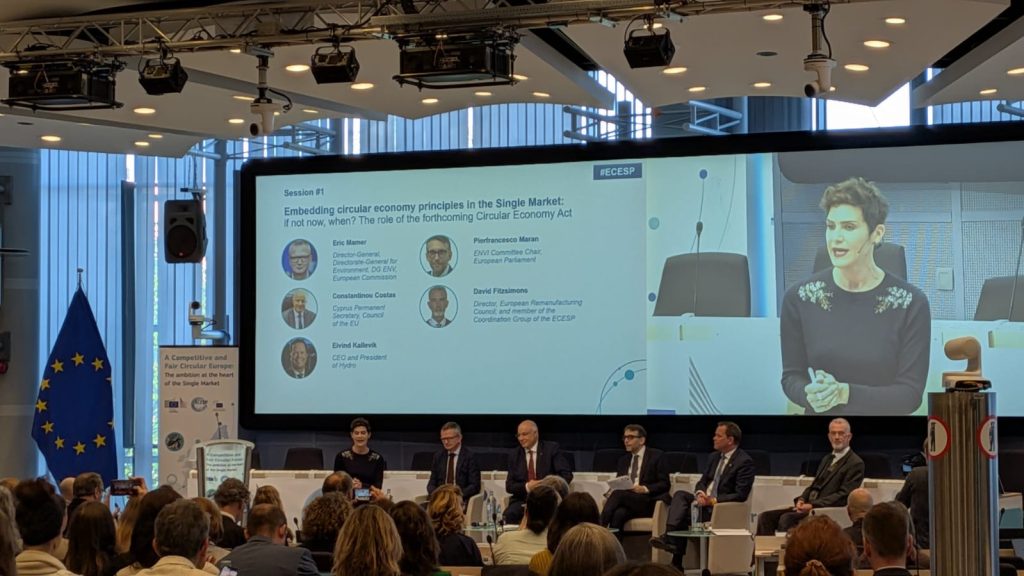
To meet this strategic imperative, which was reiterated at the European Circular Economy Stakeholder Platform (ECESP) annual conference in Brussels in April this year, the Critical Raw Materials Act (CRMA) sets the legal framework to reduce dependency on third countries for raw materials and strengthen supply chain resilience for vulnerabilities. The forthcoming Circular Economy Act will further reinforce the CRMA and enhance the Single Market for secondary raw materials within the EU. It is clear that European security is also interconnected with circularity, a message that was clearly articulated at the emphasised ECESP conference.
With these urgent issues in mind, our project is collectively working to recovery CRMs from complex waste streams using artificial intelligence and robotics because we recognise that this is a strategic industrial challenge and linked to European security. Doing this will improve European industrial base by securing reliable access to secondary materials to improve feedstocks, create market and demand for such materials.
Meanwhile, to showcase our progress, we will also be participating in a workshop at the EU Green Week in Brussels on June 3 in AI, Digital Twins and Robotics for circular manufacturing practices.
This event is organised by the RECAP Cluster (Rethinking End-of-life through Circularity and Advanced Processes), which brings together five EU-funded projects: CompSTLar, BIO4EEB, iBot4CRMs, ICARUS and Wood2Wood, funded by Horizon Europe.
You can register below, seats are filling up fast!